CLICK IMAGE: Tanzil Website


OUR MISSION:
UNCOVERING the original message of the Arabic Qur'an by using Lexicons compiled more than 1,000 years ago.

ISOLATING Fact from Fiction.


RECOVERING Hope and regaining the perspective where Humanity is one, God's Message is one, and our Future CAN become one we all look forward to!


© 2010 IQRATHECHALLENGE: INTELLECTUAL PROPERTY PROTECTED BY D.M.C.A. ALL RIGHTS RESERVED.

© 2010 IQRATHECHALLENGE: INTELLECTUAL PROPERTY PROTECTED BY D.M.C.A. ALL RIGHTS RESERVED.
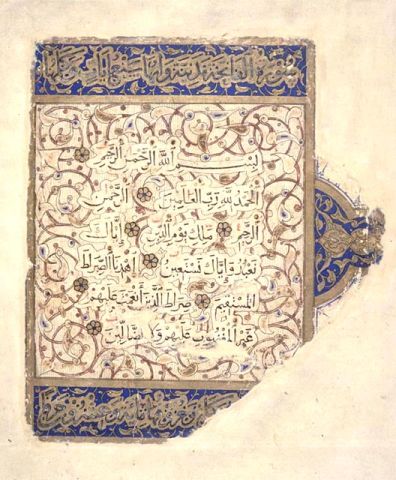
Image: 14th C. Qur'an, Mamluk origin, Library of Congress; Rights obtained.

A BREAKTHROUGH project which helps understand the Qur'an AS REVEALED -not just 'as explained.'

---------------------------------------------------------------------------

Friday, January 7, 2011

Day 298; Qur’an 91: 1-15 page 595


Welcome Friends:  
Ahlan wa sahlan!
Yusuf Ali’s explanation of this Chapter.
Muhammad Asad’s explanation of this Chapter.
Laleh Bakhtiar’s explanation of this Chapter.

سورة الشمس
'The Sun’

From Introduction of Yusuf Ali:
"This is one of the early Makkan revelations. Beginning with a fine nature passage, and leading up to man's need of realising his spiritual responsibility, it ends with a warning of the terrible consequences for those who fear not the Hereafter."

From Introduction of Muhammad Asad:
"THE KEY-WORD by which this surah has always been identified occurs in its first verse. It is generally assumed that it was revealed shortly after surah 97 (Al-Qadr)."

COMMENTS:

This important Chapter is literally 'self-revealing!'
WHO is responsible for our path in life, but our own Self, after having MADE that choice?
Each of us has two 'self-made' options:
Break-down OR Enhancement.
What do you choose?
It is all as clear as day and night... Just as brightly as the sun does shine, so is Right and Wrong defined.  

PAGE 595 Arabic Qur’an

1. This Chapter begins with SEVEN vows/ oaths. As Regular Readers know, Qur'anic 'oaths' usually call out momentous phenomena, to draw attention to a matter of paramount importance:
'By the Sun and its rising (towards noon/ DhuHaa/ضحى i).
And by the Moon as it follows it.
And by the Daytime as it makes it apparent.
And by the Nighttime as it conceals it.
And by the Exalted Expanse and what built it.
And by the Earth and what extended it.
And by the Self and what what developed/ matured it (sawwaa/ duly proportioned it in a process)
Then inspired it (to both) its Breakdown and its Awareness.'

Powerful verses, mentioning various aspects of Creation, then the development/ maturing of the Human Self (put 'sawwaa' in 'Search'). Here we note that we are inspired to BOTH routes, the destructive and the constructive. It seems that they are equally part of our nature, and it is up to us which of these two we choose to nurture.
I found it interesting to read up on what is termed 'The Will to Power,' similar to what Bertrand Russel spoke about when he said:

"Construction and destruction alike satisfy the will to power, but construction is more difficult as a rule, and therefore gives more satisfaction to the person who can achieve it. … We construct when we increase the potential energy of the system in which we are interested, and we destroy when we diminish the potential energy. … Whatever may be thought of these definitions, we all know in practice whether an activity is to be regarded as constructive or destructive, except in a few cases where a man professes to be destroying with a view to rebuilding and are not sure whether he is sincere."


2. After the seven vows, the last of which was by the Self and what what developed/ matured it (sawwaa/ duly proportioned it in a process) Then inspired it (to both) its Breakdown and its Awarenes... Verses 9-10 give us the all-important OBJECT of the oath, which is that:
'Succeessful indeed is the one who promoted it.
And a Failure is the one who suppressed it.'

This, dear Reader, is a very important statement of fact!
This is how success 'happens,' and it all starts from within.

3. Verses 11- 15 speak of the rock-carving tribe of Thamood, who had 'belied' in their Transgression and defied the Messenger of God Saleh (Salih) who was calling upon them to worship God and forsake their evil ways. Their most wretched person then killed the she-camel which they had recieved as a Sign from God, even after their Messenger had warned them against harming her. Their Lord overwhelmed and ruined themدمدم (ii), fearing no consequence.
The story appears in greater detail in other Chapters (see pics of what is called Madain Saleh here/ مدائن صالح ).
Peace unto all!
____________
iضحي: يدلُّ على بُروز الشيء. فالضَّحَاء: امتداد النَّهار، وذلك هو الوقت البارز المنكشف. ثمَّ يقال للطعام الذي يُؤكل في ذلك الوقت ضَحاء.
ويقال ضحِي الرَّجلُ يَضْحَى، إذا تعرَّضَ للشَّمْس، وضَحَى مثلُهُ. ويقال اضْحَ يا زيد، أي ابرُزْ للشَّمْس. والضَّحِيَّة معروفة، وهي الأُضْحِيَّة.
قال الأصمعي: فيها أربع لغات: أُضْحِيَّة وإضْحيَّة، والجمع أضَاحِيّ؛ وضَحِيَّة، والجمع ضحايا؛ وأَضْحاةٌ، وجمعها أُضْحىً. :
وإِنما سُمِّيت بذلك لأنَّ الذّبيحة في ذلك اليوم لا تكون إلاَّ في وقت إشراق الشَّمس. ويقال ليلَةٌ إِضحيَانةٌ وضَحْيَاءُ، أي مضيئةٌ لا غيمَ فيها. ويقال: هم يتضحَّوْنَ، أي يتغدَّوْن. والغَداء: الضَّحاء. ومن ذلك حديث سلمة بن الأكوع: "بينا نحن مع رسول الله صلى الله عليه وآله وسلّم  نتضَحَّى"، يريد نتغدَّى. وضاحية كلِّ بلدةٍ: ناحيتُها البارزة. يقال هم ينزلون الضَّوَاحيَ. ويقال: فعل ذلك ضاحيةً، إِذا فعله ظاهراً بيّناً.
قال أبو زيد: ضَحَا الطريق يَضْحُو ضَحْواً وضُحُوّاً إِذا بدا وظَهَر. فقد دَلَّت هذه الفروعُ كلُّها على صحة ما أصّلناه في بروزِ الشَّيء ووُضوح

(دم: غِشْيان الشَّيء، مِن ناحيةِ أنْ يُطْلَى به. تقول دَممْتُ الثَّوبَ، إذا طليتَه أيَّ صِبْغ، وكلُّ شيءٍ طُلِي على شيءٍ فهو دِمام. فأمّا الدّمدمة فالإهلاك. قال الله تعالى: {فَدَمْدَمَ عَلَيْهِمْ رَبُّهُمْ بِذَنْبِهمْ} [الشمس 14]. وذلك لِمَا غَشّاهم به من العذاب والإهلاك.وقِدْرٌ دميمٌ: مطلِيَّة بالطِّحال. والدَّامَّاء: جُحْر اليربوع، لأنّه يدُمُّه دمّاً، أي يُسَوِّيه تسويةً.
  فأمَّا قولهم رجلٌ دميمُ الوجه فهو من الباب، كأنّ وجهَه قد طلِيَ بسوادٍ أو قُبْحٍ. يقال دَمَّ وجههُ يَدُِمّ دَمامةً، فهو دميم.
  وأمَّا الدَّيْمُومَة، وهي المَفَازة لا ماءَ بها، فمن الباب؛ لأنّها كأنَّها في استوائها قد دُمَّت، أي سُوِّيت تسويةً، كالشَّيء الذي يُطلى بالشيء. والدَّمادِم من الأرض: رَوَابٍ سَهْلَةٌ.

Thursday, January 6, 2011

Day 297; Qur’an 90: 1-20 page 594


Welcome Friends:  Ahlan wa sahlan!
Yusuf Ali’s explanation of this Chapter.
Muhammad Asad’s explanation of this Chapter.
Laleh Bakhtiar’s explanation of this Chapter.


سورة البلد
'The Town’
 

From Introduction of Yusuf Ali:
"This is an early Makkan revelation, and refers to the mystic relation (by divine sanction) of the Holy Prophet (peace be upon him) with the city of Makkah.'


From Introduction of Muhammad Asad:

"ALTHOUGH Suyuti places this surah in the middle of the Mecca period (after surah 50), it is most probable
that it belongs to the earliest years of Muhammad's prophethood."


COMMENTS:

This Chapter shows us what the TRUE hurdles of Life are!
Please read verses in Yusuf Ali's explanation as you refer to my comments.


PAGE 594 Arabic Qur’an
 
1. This Chapter begins with THREE vows.
Firstly, God vows by 'this Town,' then by 'your' residing/ 'Hillحلّ (i) in this town, and thirdly 'by (every) birth-parent and what s/he has given birth to.

From another verse, HQ 31: 33, we realize that this parent-child relationship was not mentioned here only in relation to this town and to the Prophet's belonging to it, but also to the 'Day/ Time' (of Resurrection) when neither the parent shall avail the child nor the child the parent; a time when the strongest of life's bonds shall be broken, just as Qureish are breaking that very same bond now with their own child, Muhammad..!!!


I don't agree with Muhammad Asad's opinion that the word 'this town' does not necessarily refer to Mecca, but "warrants a wider, more general interpretation." Check it out, and see how the Qur'an calls it 'this town' four times; twice given this term by Prophet Abraham himself, peace upon him.


2. Verses 4-5 give us the all-important OBJECT of the oath, which is that indeed, 'We" (God) created the Cognizant Human (to be) in 'strain/كبد' (ii-which seems to highlight the strenuousness which characterizes our entire life), and he (the human) imagines that no one can overpower him.


3. Verses 8-10 mention our sight and speech, and our being guided by God to the two 'uphill routes,' which we heard of in HQ 76: 3, 91:9-10. We notice in all these verses that we have a choice, which of these two life-journeys to take.

  1. Verses 11- 17 speak of this arrogant human who, although he seems have full physical strength, yet he does not use it to traverse the true hurdles of life which lead to the best recompense. These 'hurdles' are:

    – 'Fakk raqabah,' which literally means 'untying a neck from the yoke,' indicating the need for every one of us to help liberate people from all forms of human subjugation and exploitation, beginning with debt, and going on to socio-economic bondage. This is SO IMPORTANT, especially today when we see how politicians and governments preach freedom, yet underhandedly exchange one form of human bondage for another of higher profit to themselves!

    – Feeding -during famine- an orphan near us or an incapacitated poor person.

    – After all that is accomplished, such a person would continue, attempting to be of those who have attained Faith, and enjoin upon each other Forbearance and Compassion.

What a combination...!

  1. The Chapter ends with beautiful Persuasion and Dissuasion, as it declares that such persons are 'Those of the Right side,' whereas The Deniers are of the 'left,' upon whom the fire shall be firmly clamped!

May we be among Those of the Right! Amen.

Peace unto all!

_______
i

  .حل: لـه فروع كثيرة ومسائلُ، وأصلها كلُّها عندي فَتْح الشيء، لا يشذُّ عنه شيء
  يقال حلَلْتُ العُقدةَ أحُلُّها حَلاًّ. ويقول العرب: "يا عاقِدُ اذكُرْ حَلاًّ". والحلال: ضِدُّ الحرام، وهو من الأصل الذي ذكرناهُ، كأنه من حَلَلْتُ الشيء، إذا أبحْتَه وأوسعته لأمرٍ فيه
  وحَلَّ: نزل. وهو من هذا الباب لأن المسافر يشُدّ ويَعقِد، فإذا نزلَ حَلّ؛ يقال حَلَلْتُ بالقوم. وحليل المرأة: بعلها؛ وحليلة المرء: زوجُه. وسُمِّيا بذلك لأن كلّ واحدٍ منهما يَحُلُّ عند صاحبه.
  قال أبو عبيد: كل من نازَلَكَ وجاوَرَك فهو حَليل
  والحُلّة معروفة، وهي لا تكون إلا ثوبَين
  ومن الباب الإحليل، وهو مَخرج البَول، ومَخرج اللَّبن من الضَّرْع.
  ومن الباب تحلحل عن مكانه، إذا زال
  والمَحَلَّة: المكانُ ينزِل به القومُ. وحيٌّ حِلاَلٌ نازلون.
والحِلُّ ما جاوزَ الحرم. ورجلٌ مُحِلٌّ من الإحلال، ومُحرِم من الإحرام. وحِلٌّ وحَلالٌ بمعنى؛ وكذلك في مقابلته حِرْم وحَرَام.
  وهو من الباب. وحَلّلْتُ اليمينَ أحَلِّلُها تحليلا. وفعلتُ هذا تَحِلَّةَ القسَم، أي لم أفعل إلا بقدْرِ ما حَلَّلْتُ به قَسَمي أنْ أفعله ولم أبالِغْ. ومنه

ii

كبد: يدلُّ على شِدّة في شيء وقُوّة. من ذلك الكَبَد، وهي المشقّة. يقال: لَقِيَ فلانٌ من هذا الأمر كَبَداً، أي مشَقة. قال تعالى: {لَقَدْ خَلقْنَا الإنسانَ في كَبَدٍ} [البلد 4]. وكابدتُ الأمر: قاسيتُه في مشقّة. ومن الباب الكَبِد، وهي معروفة، سمِّيت كَبِداً لتكبُّدِها...ومن الاستعارة: كَبِد السَّماء: وسطها. ويقولون: كُبَيْدَاء السَّماء، كأنَّهُم صغّروها.. ويقال: تكبَّدَتِ الشّمس، إذا صارت في كَبِد السماء.  

Let's TWEET this!

Tweet me!