.jpg)
Welcome Friends: Ahlan wa sahlan!
What a valuable endeavor we have undertaken together!
Muhammad Asad’s Translation of this Chapter.
Their commentaries can only be read in verse by verse view.
سورة فُصٍّلت
FUSSILAT
From Yusuf Ali’s Introduction:
“This is the second of the series of seven Surahs bearing the Abbreviated Letters Ha Mim....
For this particular Surah the theme is that the basis of Faith and Revelation is Allah's Power and Goodness, and the fruit of both in man's righteousness and healing.”
From Muhammad Asad’s Introduction:
“REVEALED immediately after the preceding surah, this one continues the theme begun in the latter: man’s reasoned acceptance or willful rejection of divine revelations. The title is derived from the verb fussilat occurring in verse 3, where it relates to the “clearly spelled-out” messages of the Quran.”
COMMENTS:
This Chapter is called ‘FuSsilat,’ from the root verb ‘faSala[i]’ فصل which, as we see in our 1,000 year old Lexicon, means to distinguish/ separate one part of something from another, and expose it. The expression ‘fuSsilat ayaatuh’- its ‘signs being distinguished and exposed’ appears twice in this Chapter (Verses 3, 44).
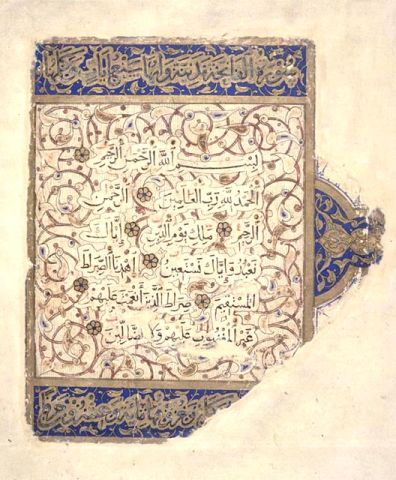
PAGE 477 Arabic Qur’an.
1. This Chapter begins with two ‘disjointed sounds/ letters’ ‘Hhaa- meem.’ To know more about such sounds/ letters, see April 6th.
As we said at the beginning of Chapter 40:
“This Chapter is one of seven which begin with a ‘set’ of disjointed sounds/ letters: Hhaa-meem…حم… as we can see here in Tanzil.
When we look at context, we note that all these ‘sounds/ letters’ precede (5 times) the mention of ‘al Kitaab/ the Compilation,’ and (once) of ‘Tanzeel/ a ‘Transmission’ sent by God to Cognizant Humans,’ and (once) of ‘wahi / exclusive information’ conveyed to Prophet Muhammad, peace upon him, in chapters which are all thought to be late Meccan.”
Today, we note that these sounds/ letters precede mention of Tanzeel/ a ‘Transmission’ (to Cognizant Humans) sent from The Creator/ Generator and Protective Source of life (Al-Rahmaan), The Unceasingly Compassionate (Raheem).
2. IMPORTANT for New Readers:
Please refer to the distinction of the words ‘Rahmaan,’ ‘Quraan’ and ‘Insaan’ (see Aug 29th):
Regular Readers know the important grammatical distinction related to Arabic words which are in accordance with “fa’laan,” as they denote something/someone whose corresponding verb/ action is both superlative (of the highest degree) and incidental (current and active/ activated in a specific incident/ relationship).
· The superior feature which is CURRENT and ACTIVE in ‘Rahmaan’ is ‘rahama- rahim رحِم – رَحم which mainly denotes being the ‘Generator and protective Source’ of our existence.
It is about God’s ‘active’ relationship with Cognizant Humans/ Insaan, and emanates from His Creation of, and relation with…. us!
Indeed, the Qur’an does NOT consider this word as an ‘attribute,’ but rather a ‘proper noun,’ similar to ‘Allah.’ Furthermore, there is a Chapter by that name in the Qur’an, which is all about Creation (see July 28th).
· The superior feature which is CURRENT and ACTIVE in ‘Insaan’ is ‘anasa’ أنس which denotes to see, hear, find comfort, companionship and homogeneity, as a Cognizant Human.
All these features emanate from the ‘Spirit’ which was quickened in this Human by The Rahmaan, giving us Cognition (making us ‘Insaan;’ before that we were ‘bashar’ -the specie).
· The superior feature which is CURRENT and ACTIVE in ‘Quraan’ is “qara’a” which is about ‘information processing’ (see six components of ‘Iqra’) and relates to its being activated by Insaan, the Cognizant Reader/ Qare’ who approaches it at any point in time.
§ Therefore, in and of itself:
The Qur’an is CURRENT and ACTIVE because of the LIVING SOURCE of its information, The Rahmaan.
§ However, to us, Cognizant Humans:
The Qur’anic Compilation has TWO states:
o Inactive ‘Kitaab’:
For any who see it through the eyes of others, it is a static ‘Compilation’ of inherited concepts and limited benefit.
o Active ‘Quraan’:
For a ‘Qare,’ it is a dynamic ‘Qur’an’ offering real-time interaction and limitless benefit.
Please make sure you understand the words ‘Rahmaan,’ ‘Quraan’ and ‘Insaan;’ and see Aug 29th.
3. Let us now read the first four verses together:
“Hhaa- meem.
A Transmission sent down from The Rahmaan (The Generator and Protective Source of existence), The Raheem (The Unceasingly Compassionate).
A Compilation/, whereof the Signs were distinguished and exposed, (as) an ‘Arabi/articulate Qur’an, for People who know.
A Herald of glad tidings and a Warner, yet most of them turn away and therefore they hear (it) not.”
The two verses in this chapter (3, 44), as well as HQ 11:1, help us understand the importance of the Qur’an being ‘Arabi.’
This is a most important concept which is not simply about it being in ‘the Arabic tongue!’
New Readers: Please see June 28th and read ‘Classical Arabic: Unique Human Communication.’ Put ‘arabi’ in ‘Search this Site.’
4. In Verse 5, those who ‘turned away’ describe themselves.
Here again we encounter the word ‘hijaab,’ which is related to a literal obstruction; a ‘screen/ barrier’ (Ali/ Asad).
Aside:
Today, this word is commonly and mistakenly applied to mean ‘head-scarves/veils’ although there is no Qur’anic or linguistic support for this (the Qur’an calls the ‘coverings’ worn by women: ‘khumur - خُمُر’ HQ 24:31).
We do however, have other correct usages of the word as ‘protective barriers:’ We call our eye-brow ‘haajeb,’ and our diaphragm ‘hijaab haajez.’
In Verses 6-9, the Messenger is told how to respond to them. He first defines himself as a ‘human-being’ just like them, with the important distinction of being the Recipient of exclusive information ‘wahi’ from God (similar to HQ 18:110). Then, he advises them to redirect themselves, becoming ‘straight forward and upstanding’ towards God, and to ask His Forgiveness. Then he warns Those who Associate (partners) with God that they shall ‘bewail ويل-’ themselves for having failed to ‘cultivate what is pure and then nurture it to growth’ (the literal meaning of ‘zakaat’), and for having rejected the Hereafter, and he questions them about denying The Creator of this Earth and setting up partners to him.
Aside:
This approach reminds us of Abraham, peace upon all God’s Messengers. In HQ 19: 42-45 we find Prophet Abraham beginning his dialogue with his father in a tone of humble endearment, then showing him the advantage he has over him in the knowledge he’d received, then advising, and finally forewarning him.
Notice Verse 8, which shows a contrasting picture in the infinite recompense of Those who had Attained Faith and performed goodness: Dissuasion interspersed with Persuasion!
5. Verses 9- 12 spell out the major stages of Creation:
· God created Earth in two aeons (epochs NOT days!).
In the Earth, He rendered anchors from above it. He made Earth of abiding benefit (baraka: March 26th). He projected its means of sustenance (أقوات[ii])to ultimate extent (see ‘qadr’ July 2nd). He extended sustenance equally to all Seekers. This was accomplished in four aeons/ epochs.
· Then, at length (thumma) He ‘applied a process of securing, sustaining, and balancing’ (‘sawwa’[iii]) the Exalted Expanse (‘samaa’) which was ‘smoke..’
· bidding both the Earth and the Exalted Expanse to advance in compliance or non-compliance. Both responded that they do so, in compliance.
PAGE 478 Arabic Qur’an.
· So, in two aeons/ epochs, He brought into fulfillment[iv] seven Exalted Expanses, and imparted, into each, exclusive information of its (own) command/ affairs.
(See their seven occurrences in Qur’an, considered a ‘numeric marvel’[v]).
· And He adorned the Lowest of these Exalted Expanses with lanterns and protection.
All that was brought into fulfillment by the All-Mighty, the All-Knowing.
Note:
As Readers have noted, I am trying to ‘translate/ explain’ the words without elaborating. In elaboration, one could show many ‘scientific marvels’ related to our Universe, and to the ‘function’ of all that is within it, but ‘elaboration’ also causes ‘deviance;’ (each of us elaborates subjectively, based on what we know).
Furthermore, there are certain ‘Islam-bashing’ persons/ websites who cite the above verses while taking each ‘creative stage’ separately. Taken separately and successively, they find them to be eight, while the Qur’an describes the Exalted Expanses and the Earth as being created in SIX aeons/ epochs (في ستة أيام).
Their intention is to show, at best, ‘discrepancy’ in ‘our’ Qur’an, and at worst, that Muhammad, who in their opinion ‘authored it,' could not even count to ten.'
Besides the obvious bias against the Messenger's person, peace upon him:
Besides the obvious bias against the Messenger's person, peace upon him:
Theirs is an unworthy argument .
Creation is an ongoing continuum, and Life bears witness to that; we can even see the ‘stages’ of our own development overlap!
To perceive Life as a series of ‘stand-alone’ stages is immature, so how about the evolution of our Universe?
6. Verse 13 tells the Messenger to warn Qureish, if they turned away from this Message, of an ending similar to that of the tribes of ‘Aad and Thamood who were destroyed by a thunder/ lightning bolt of energy ([vi]صاعقة).
Verses 14- 15 tell us more about them:
Note that it was ‘Aad’s arrogance which caused them to ‘deliberately discredit God’s Signs, even after they had understood them’ (the literal meaning of ‘jaHhada’ (جحد). (Click for all verses mentioning ‘Aad.)
Thamood, on the other hand, were initially guided, but then preferred ‘blindness’ to guidance!’ (Click for all verses mentioning Thamood.)
Verses 16-17 present their end.
However, as Verse 18 tells us, from these two townships, Those who had Attained Faith and been Aware were delivered/saved (Ali/ Asad).
Dear Reader:
May you and I merit these beautiful titles… Amen!
Enough said!
Our next Reading is from HQ 41:19-36.
Peace unto all!
[i] فصل: تمييز الشَّيء. من الشَّيء وإبانته عنه. يقال: فَصَلْتُ الشَّيءَ فَصْلاً. والفَيْصل: الحاكم. والفَصِيل: ولدُ النَّاقةِ إذا افتُصِلَ عن أُمِّه. والمِفْصَل: اللِّسان، لأنَّ به تُفصَل الأمور وتميَّز. والمفاصل: مَفاصل العِظام. والمَفْصِل: ما بين الجبلَيْن، والجمع مَفاصل. والفَصِيل: حائطٌ دونَ سُور المدينة.
إبانته:
بين: بُعْدُ الشّيء وانكشافُه. فالبَيْن الفِراق؛ يقال بَان يَبِينُ بَيْنا وبَيْنُونة. والبَيُون البئر البعيدة القَعْر. والبِينُ: قطعةٌ من الأرضِ قدْرُ مَدِّ البَصَر.
وبانَ الشَّيءُ وأبَانَ إذا اتّضَحَ وانْكشَفَ. وفلانٌ أبْيَنُ مِنْ فلانٍ؛ أي أوضَحُ كلاماً منه.
[ii] قوت: يدلُّ على إمساكٍ وحفظٍ وقُدرةٍ على الشَّيء. من ذلك قولُه تعالى: {وكَانَ اللهُ عَلَى كُلِّ شَيءٍ مُقِيتاً} [النساء 85]، أي حافظاً له شاهداً عليه، وقادراً على ما أراد. ومن الباب: القُوت ما يُمْسِكُ الرَّمَق؛ وإنَّما سُمِّي قُوتاً لأنَّه مِساكُ البَدَن وقُوَّتُه. والقَوْت: العَوْل. يقال: قُتُّه قَوْتاً، والاسم القُوت. ويقال: اقتَتْ لنارك قِيتةً، أي أطعِمْها الحَطَب.
[iii] سوي: يدلُّ على استقامةٍ واعتدالٍ بين شيئين. يقال هذا لا يساوي كذا، أي لا يعادله. وفلانٌ وفلانٌ على سَوِيّةٍ من هذا الأمر، أي سواءٍ. ..ومن ذلك قولهم: لا سيّما، أي لا مثلَ ما.
ومن الباب السَّواء: وسَط الدَّارِ وغَيرِها، وسمِّي بذلك لاستوائه. قال الله جلَّ ثناؤه: {فاطَّلَعَ فَرَآهُ فِي سَوَاءِ الْجَحِيمِ} [الصافات 55].
لسان العرب:
وتَساوَتِ الأُمورُ واسْتَوَتْ وساوَيْتُ بينهما أَي سَوَّيْتُ. وساوَيْتُ بينَ الشَّيْئَيْنِ إذا عَدَّلْتَ بينَهما وسَوَّيْت.
واستَوى الشيءُ: اعْتَدَلَ... واسْتَوَى الرجلُ: بلغ أَشُدَّه...ولما بلغ أَشُدَّه واسْتَوى؛ قيل: إن معنى استَوى ههنا بلغ الأَربعين ...ويحتمل أَن يكون بلوغُ الأَربعين غايةَ الاستِواء وكمالِ العقل. وسَوَّى الشيءَ وأَسْواهُ: جعلَه سَوِيّاً، والمُستَوي التامُّ في كلام العرب الذي قد بلغ الغاية في شبابِه وتمامِ خَلْقِه وعقلِه
STEW: c.1400, "to bathe in a steam bath," from O.Fr. estuver (Fr. étuver) "bathe, stew," of uncertain origin. Common Romanic (cf. Sp. estufar, It. stufare), possibly from V.L. *extufare.
[iv]قضي: يدلُّ على إحكام أمرٍ وإتقانهِ وإنفاذه لجهته... والقضاء: الحُكم. قال الله سبحانه في ذكر من قال: {فَاقْضِ مَا أَنْتَ قَاضٍ} [طه 72] أي اصنَعْ واحكُمْ. ولذلك سمِّي القاضي قاضياً، لأنَّه يحكم الأحكامَ ويُنْفِذُها.
[v] Remember the ‘numeric marvel’ of July 8th related to the ‘youths of the cave?’ And people have ‘marveled’ at others, such as the equal number of verses (25) mentioning the word ‘man/ men’ versus ‘woman/ women’..etc. However, I believe the numeric marvel of the Qur’an to go far beyond ‘taking count’ of a few items of interest here and there.
[vi] صعق: *يدلُّ على صَلْقَةٍ وشِدَّة صَوت. من ذلك الصَّعْق، وهو الصَّوت الشَّديد. يقال حِمارٌ صَعِقُ الصَّوتِ، إِذا كان شديدَه. ومنه الصَّاعقة، وهي الوقع الشّديدُ من الرَّعْدِ. ويقال إنَّ الصُّعاق الصَّوت الشديد. ومنه قولهم: صَعِق، إِذا ماتَ، كأنَّه أصابته صاعقةٌ. قال الله تعالى: {وَنُفِخَ فِي الصُّورِ فَصَعِقَ مَنْ فِي السَّمَوَاتِ وَمَنْ فِي الأَرضِ إلاَّ مَنْ شَاءَ اللهُ} [الزمر 68].

