Welcome
Friends: Ahlan
wa sahlan!
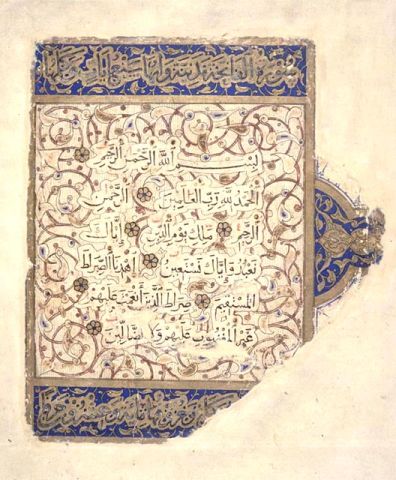
سورة
النازعات (i)
'The Wrenchers’
From
Introduction of Yusuf Ali:
“This
is also an early Makkan Surah, of about the same date as the last,
and deals with the theme of from
the point of view of Pride and its Fall. The parable of Pharaoh
occupies a central place in the argument; for he said "I am your
Lord Most High". and perished with his followers.”
From
Introduction of Muhammad Asad:
“THIS
late Meccan surah, revealed shortly after the preceding one, takes
its name from the word an-nazi'at in the first verse..”
COMMENTS:
This
is a powerful chapter to listen to. Follow the English meanings as
you listen to the Arabic (choose
Al-Afasy Recitation).
The Chapter
takes its name from the first word 'Al Nazi-aat,' which refers to
someone/ something undertaking a 'wrenching' action. The next four verses list other 'nouns,' each by a different action. Scholars have had various opinions as to what
these feminine-plural nouns refer to, as we see in footnote from Yusuf Ali
and Muhammad Asad's comments (Ali seeing them as 'angels,' and Asad
as 'stars'), but I cannot see them all referring to incognizant stars or
winds, because of the last verse in this series. The noun in Verse 5 is about someone consciously attending to something, similar to what the
Qur'an had FOUR times earlier described God Himself attending to (يدبر الأمر).
- Verses 1-5 vow by entities performing five different operations, the last of which is 'attending to/ managing' an (important) affair (remember that 'things' in Arabic are given feminine-plural nouns). Check out the definition of the root-verb 'dabara' (ii) and you'll realize, as I did, that although the first four verses might be about certain Agents/ 'Junood' of God that function in the Exalted Expanses and on Earth (such as natural elements and stars etc.. ولله جنود السموات والأرض), the Agents mentioned in Verse 5 seem to be 'Custodians/ Angels' (cognizant creatures).Many scholars believe that all five verses describe the 'Angels of Death' wrenching people's 'souls' from their bodies. Others say that the first verses are about natural phenomena occurring at the end of this earth's existence, and the last verses are about angels. No matter; I don't think we need to worry about WHO is doing what as much as we need to worry about OUR PLACE as humans, within what is being done:
- Verses 6- 14:First we are given an idea of the turbulence, upheaval, shaking and shattering of this earth (see HQ 73: 14, where the 'raajifah' quakes the earth with its mountains, causing the latter to disintegrate)... after which the 'raadifah/ the Successive' event follows, when'the hearts/ minds at that time are 'rapid/ racing / وجف' (iii) and the eyes are subdued (in fear, prayer, or both. A rapid heart-beat is only to be expected from people who, until that time, had belied the 'Final Day' and 'Resurrection,' but what about us listeners right now? Our heartbeats just got faster too!).They ask whether they shall be reverted into the deep hole (carved out by their deeds?) - and they lament that indeed, it would be a 'losing Rerun' (ivكر) for them. That 'hole' probably is at the lowest level of the low (as we see in HQ 95:5 حفر ), which they now realize would be, in fact, taking place as promised, whether or not people are at the state of crumbled bones (which they had always believed to be an impossibility. See eight verses in which they deny resurrection).The events continue, telling us that there shall be only ONE REPEALING proclamation (put 'zajara' in 'Search'), after which they shall be in... Insomnia!!!PAGE 584 Arabic Qur’an
- In a conversational tone, Verse 15 asks the listener/ Messenger whether he had gotten the latest communication/'Hadeeth' regarding Moses? See six similar questions in Qur'an.(New Readers: It's VERY important to put 'Hadeeth' in Search.)Then Verses 16- 26 continue, telling us of Pharaoh's tyranny, and of Moses being called by God and commanded to go to Pharaoh, to invite him to 'grow in purity (put 'zaka' in Search), and to accept Moses' guiding him to his (Pharoah's) Lord, AND to then 'be awed' by Him (The Lord.. which seems to have been too much for Pharaoh's arrogance to swallow!)
Even showing Pharaoh the 'Great Sign' was of no avail, for this tyrant 'belied' it, gathered everyone together, and announced:“I AM your Lord most Great!”We know that Moses presented nine signs to Pharaoh, each greater than its predecessor (HQ 43:48). The 'Great' Sign seems to have been the 'rod' with its unique qualities. Although inanimate, we first see it become a writhing serpent.. and later bringing water-springs out of rock, and finally splitting the waters for safe passage for Moses' people even as Pharaoh and his followers drowned .
Because of the latter and the former (deeds/ words) God seized him (Pharaoh) in manacles/ shackles (check Etymologyv); indeed, in that is an example for whomever is capable of feeling awe (so it WAS that: He had REFUSED to be 'awed' by his Lord!!).My God!Notice dear Reader that, at this point, our HEARTS/ MINDS interact with the Qur'an despite us, answering for us the unasked question:Are YOU in awe of God?Are we... am I... in awe?I have to make a conscious response right here.In a split-second, I think of creation around me... of the wonders of our planet and its inhabitants which I see every day in person, and from Nature channels (which have generated more spirituality and awe in my heart than a multitude of 'religious' channels). I recall my years of research, and the beginning of the Chapter called 'Ta Ha,' where it stated that:The Qur'an is a Reminder for Whoever feels Awe!And my heart responds: Indeed, dear Lord: I am in great awe!Then I declare it aloud, so it can be witnessed:My Lord:I am constantly AWED by You.I am awed by the Compilation You have sent us.I tear and tremble, with awe, when I reflect upon the Qur'an which, as You said, was sent as a Reminder to Those in Awe, and not to be cause for distress.You are Al-RaHmaan, my Creator, and it is You Whom I long for.Help me generate Peace and Prosperity, and join me with like-minded people so our scattered efforts may be more effective.Help me purify my intentions and follow Your Guidance, and raise me in the Hereafter to enjoy the company of the Prophets, the Truthful, the Witnesses, and the Righteous.... how goodly a companionship is theirs.Amen. - Verses 27- 33 speak directly to listeners in the second person plural 'you,' asking them/ us whether they think it more difficult/ strenuous to create them (humans), or to 'build' the entire world, with all in it? Here they/ we are told of the Exalted Expanse being 'built,' then 'secured, sustained and balanced/ sawwaa,' and how its dark and light came about, how the earth after that He 'eroded it/ scraping it into shape/ daHaaha,' bringing out of it, its water and its pasture, and how the mountains He anchored...(vi) all created FOR THE BENEFIT OF US AND OUR LIVESTOCK.The verb 'daHaaha' refers to Earth having been 'struck' into shape (the definition compares the process to horse-hooves striking the ground. Could this allude to the meteor-showers of pre-historic times? Anyway, we do see similar erosion when rocks crash against each other to form pebbles, each pebble called 'daHwa' in Arabic. 'DaHwa' is also the 'scrape' in which ostriches lay their eggsvii.We might consider this word a 'Scientific Marvel' because such information was unknown when the Qur'an was revealed more than a thousand years agoviii.

- After telling us that everything was created for our benefit, Verses 34- 36 take us to the final stage of this existence, to the time of The Great Rising/ The Overwhelmer/ Al-Ttaammahطامّة-ix) when every Cognizant Human remembers what s/he had been striving for (sa'aa), and the 'Scalding/ JaHeem' is made to appear, visible to (every) one who sees.What a scene! We already know how disasters can change our 'priorities,' often turning them upside down. During emergency situations, natural disasters, terminal illness, death of loved ones... our perspectives are drastically altered, which is why people sometimes say that a certain unfortunate incident was a 'Wake-up call.' We also often find that our misfortunes were 'blessings in disguise' because they made us realize what was really important, and helped us change the course of our lives.Back to the scene at hand (which is actually 'Yawm al FaSl/ the Day/ Time of Distinction' which we'd discussed in another Chapter):At that distinguishing time, we would be remembering what our focus in life had been, only now realizing where we'd been headed.. and KNOWING that it is too late to change course:We are at our destination, being herded into two major groups based on our life-course:---For someone who had been Overbearing, and had favoredاثرx the lowly/ immediate life.... indeed 'the Scalding/ JaHeem' is the refuge.---On the other hand, for someone who had feared his Lord’s ‘Presence,’ and had restrained and deterred his own Self from ‘Plummeting Desire' … indeed, the Garden is the Refuge.Regular Readers will remember the definition of 'hawaa' (put word in 'Search' and see below notesxi). Being able to practice self-restraint is SO important. Doing the right thing almost always requires that we ignore what we feel like doing, and just do what we know we should.
- Verse 42 takes us back to the question asked in Verse 10, and to all the other times when people have voiced doubt regarding resurrection:They ask you (O Muhammad) about the (final) Passing/ the Hour/ saa'ah'... When is its 'berth/ docking/ mursaa'? (xii)Note the connection between the two definitions (of TIME spent/ saa'a ساعة versus EFFORT spent / sa'aa سعى ). This is VERY interesting!What this verse shows us quite literally, is that life is a journey. The vessel we are on right now is called 'Continuity/ Passing/ Hour/ Saa'ah' and it shall dock at its harbor, and we shall all disembark, either to be transferred to Suffering, or to Bliss, depending on where our efforts were aimed during the journey!This Chapter ends by telling us that the Deniers of Mecca were asking the Messenger about that final 'Hour,' asserting that the Messenger had no way of knowing. This shows us that the Messenger was NOT told anything about that beyond what is in the Qur'an. Any other reports of 'prophecies' he is thought to have made on that subject are therefore subject to scrutiny.They ask you about the Passing/ Hour/ saa'ah'... When is its 'berth/ docking/ mursaa'?In what (way) are you (relevant) to its proclamation?To your Lord is its culmination.Indeed you are but a Warner to Those who are in awe of it.They shall be, when they see it, as if they had lingered (in life), no more than a night, or its morn (xiii).

Peace
unto all!
------------------------
Muhammad
Asad:
“The
early commentators differ widely in their explanations of verses 1-5
of this sūrah. The most popular interpretation is based on the view
that the descriptive participles an-nāzi‘āt, an-nāshitāt,
as-sābihāt, as-sābiqāt, and al-mudabbirāt refer to angels and
their activities with regard to the souls of the dying: an
interpretation categorically rejected by Abū Muslim al-Isfahānī,
who – as mentioned by Rāzī – points out that the angels are
never referred to in the Qur’ān in the female gender, as is the
case in the above five participles, and that the present passage
cannot be an exception. Almost equally unconvincing – because
somewhat laboured – are the explanations which link those five
participles to the souls of the dying, or to warriors engaged in
holy war, or to war-mounts, and so forth. The clearest and simplest
interpretation is that advanced by Qatādah (as quoted by Tabarī
and Baghawī) and Al-Hasan al-Basrī (quoted by Baghawī and Rāzī),
who maintain that what is meant in this passage are the stars –
including the sun and the moon – and their movements in space: and
this interpretation is fully in tune with many other passages in the
Qur’ān in which the harmony of those celestial bodies in their
multiform orbits and graded speeds is cited as an evidence of God’s
planning and creativeness. In accordance with this interpretation,
the participle an-nāzi‘āt occurring in the first verse denotes
the daily “ascending” or “rising” of the stars, while their
subsequent “setting” is indicated by the expression gharqan,
which comprises the two concepts of “drowning,” (i.e.,
disappearing) and, tropically, of the “completeness” of this
daily phenomenon (Zamakhsharī).”
Yusuf
Ali:
“There
is much difference of opinion among the Commentators as to the five
things or beings mentioned in these verses. I follow the general
opinion in my interpretation, which is that angels are referred to
as the agency which in their dealings with mankind show clearly
God's Justice, Power, and Mercy, which again point to the Judgment
to come, as a certainty which none can evade. The first point,
referred to in this verse, is that the souls of the wicked are loath
to part with their material body at death, but their will will not
count: their souls will be wrenched out into another world. Who will
then deny Resurrection and Judgment?”
نزع: ح
يدلُّ على قَلْع شيء.
ونَزَعْت
الشيءَ من مكانِه نَزْعاً.
والمِنْزَع:
الشَّديد
النَّزْع.
والمِنْزعة
كالمِلعقة يكون مع مُشْتارِ العَسل.
ونَزَع
عن الأمر نُزُوعاً:
تركَه.
وشرابٌ
طيِّبُ المَنْزَعة، أي طيِّب مَقْطَع
الشُّرب.
والنَّزَعة:
الموضع
من رأس الأنزع، وهو الذي انحسر شَعَْره
عن جانبَيْ جَبْهته، وهما النَّزَعتان.
ولا
يقال امرأة نَزْعاء ولكن زَعْراء.
وبئرٌ
نَزُوعٌ:
قريبة
القَعْر يُنْزَع منها باليد.
وعادَ
الأمرُ إلى النَّزَعة، أي رجَعَ إلى
الحقّ؛ وأراد بالنَّزَعة جمع نازع، وهو
الذي يَنزِع في القَوْس:
يَجذِبُ
وتَرَه بالسَّهم.
وفلانٌ
قريب المَنْزَعة، أي قريب الهِمَّة.
ومَنْزَعة
الرّجل:
رأيُه.
ونازَعَت
النَّفْسُ إلى الأمرِ نِزاعاً، ونَزَعَت
إليه، إذا اشتَهتْه.
ونَزَع
إلى أبيه في الشَّبَه.
ونَزَع
عن الأمر نُزُوعاً، إذا تركَه.
وبعيرٌ
نازعٌ، إذا حَنَّ إلى مرعاه أو وطنِه.
وأنزَعُوا،
أي نَزَعَت إبلُهم إلى أوطانها.
والنَّزَائع
من الخيل:
التي
نَزَعَت إلى أعراق، ويقال:
بل
هي التي انتُزِعَتْ من قومٍ آخَرين.
والنَّزوع:
الجمل
الذي يُنزَع عليه الماءُ وحدَه.
والنَّزائع
من النساء:
اللَّواتي
يُزَوَّجْن في غير عشائرهن؛ وكلُّ غريبٍ
نَزيع.
The
root-verb ‘dabara دبر’
indicates
'the end-part/ rear' of something. Variations of the verb all bear
similar connotations:
--The
verb-form 'adbara' is about the physical movement of anything
(cognizant or incognizant) 'turning back/ retreating.' In HQ 74:33
it refers to the 'night.'
--The
verb-form 'dabbara' on the other hand, is about 'following through/
managing,' and requires a COGNIZANT entity to be undertaking the
management of/ attending to a certain issue, which is why it is
always (in the Qur'an) about God, stated four
times in this form: 'managing/ attending to' 'the matter/ issue/
affair' (يدبِّر
الأمر).
Related
to His creation, it indicates that He follows
all matters through to Completion/ Conclusion
(HQ10:3, 10:31, 13:2, 32:5).
--The
verb-form 'Tadabbara' is about a cognizant entity placing deliberate
emphasis and 'following through' on something (earlier, we had
explained this in detail as ‘following
through to the end result-
attempting
to constantly realize
the consequences and full implications of something’ (this
verb-form is called 'takalluf' in Arabic). It appears four times in
the Qur'an, ALWAYS prodding us to attend to God's Message with
deliberate, conscious emphasis, and to 'follow it through and
recognize its implications.'
'Do
they not then ‘recognize
the full implications’
of the Qur’an? For had it been from any (source) other than
God they would have found in it much discrepancy.’
HQ4:82
‘Do
they not then ‘recognize
the full implications’
of the Qur’an? Or are, upon certain hearts/minds, their
locks (clamping them shut)?’
HQ47:24
In
the
other two times, it is also about God's Word and His Signs, but
there is a 'stress-mark/ shadda instead of the 't' sound (ّ
).
iiiWord
appearing only twice
in Qur'an, here and in HQ 59:6.
لسان العرب:
وجف : الوجف : سرعة السير . وجف البعير والفرس يجف وجفا ووجيفا : أسرع . والوجيف : دون التقريب من السير .الجوهري : الوجيف ضرب من سير الإبل والخيل ، وقد وجف البعير يجف وجفا ووجيفا . وأوجف دابته إذ حثها وأوجفته أنا . وفي الحديث : ليس البر بالإيجاف ، وفي حديث علي - كرم الله وجهه - : وأوجف الذكر بلسانه أي حركه ، وأوجفه راكبه . وحديث علي - عليه السلام - : أهون سيرها فيه الوجيف ; هو ضرب من السير سريع . وناقة ميجاف : كثيرة الوجيف . وراكب البعير يوضع ، وراكب الفرس يوجف . قال الأزهري : الوجيف يصلح للبعير والفرس . ووجف الشيء إذا اضطرب . ووجف القلب وجيفا : خفق ، وقلب واجف . وفي التنزيل العزيز : قلوب يومئذ واجفة ; قال الزجاج: شديدة الاضطراب ; قال قتادة : وجفت عما عاينت ، وقال ابن الكلبي : خائفة . وقوله تعالى : فما أوجفتم عليه من خيل ولا ركاب ; أي ما أعملتم ، يعني ما أفاء الله على رسوله من أموال بني النضير مما لم يوجف المسلمونعليه خيلا ولا ركابا ، والركاب الإبل . وفي الحديث : لم يوجفوا عليه بخيل ولا ركاب ; الإيجاف : سرعة السير ; ويقال أوجف فأعجف ;
كر:
يدلُّ
على جمعٍ وترديد.
من
ذلك كَرَرت، وذلك رجُوعك إليه بعد المرّة
الأولى، فهو الترديد الذي ذكرناه.
والكرير:
كالحَشْرجةِ
في الحَلْق، سمِّي بذلك لأنَّه يردِّدها.
والكَرُّ:
حبلٌ،
سمِّي بذلك لتجمُّع قَواه.
والكُرُّ:
الْحِسْيُ
من الماء، وجمعه كِرار.
ومن
الباب الكِركِرة:
رَحَى
زَوْرِ البعير.
والكِركِرة:
الجماعةُ
من النّاس.
والكَركرة:
تصريف
الرِّياحِ السَّحابَ وجمعُها إيّاه بعدَ
تفرُّق.
ويقولون
أن الكُرَّة:
رَماد
تُجلَى به الدُّروع، ويقال هو فُتَات
البَعْر.
وربَّما
قالوا:
كَركرتُه
عن الشَّيء:
حبَسْته.
وإنَّما
المعنى أنَّك رددته ولم تَقضِ حاجتَه
أوّلَ وهلة.
وكركرتُ
بالدَّجاجة:
صحتُ
بها، وذلك لأنَّك تردِّد الصِّياح بها..
“MANACLE:
mid-14c.,
"a fetter for the hand," from Old
French manicle "manacles,
handcuffs; bracelet; armor for the hands," from
Latin manicula "handle,"
literally "little hand," diminutive of manicae "long
sleeves of a tunic, gloves; armlets,
gauntlets;
handcuffs, manacles," from manus "hand"....”
Dear
Reader:
Please
note that the 'armlet/ gauntlet' which is worn
today by falconers throughout the Arab world is called 'manqala..!!'
Pronunciation
is VERY close (the exact same consonants), and the meaning is
identical. In Arabic 'nakala' is about a shackle, and 'naqala' is
about transferring (the bird).
To
see many more English words of Arabic origin, put 'Etymology' in
'Search.'
vii
دحو:
يدلُّ
على بَسْطٍ وتمهيد، يقال دحا الله الأرضَ
يدحُوها دَحْواً، إذا بَسَطَها.
ويقال
دحا المطرُ الحَصَى عن وجْه
الأرض.
وهذا
لأنّه إذا كان كذا فقد مهّد الأرض.
ويقال
للفرَس إذا رمَى بيديه رمْياً، لا يرفع
سُنْبُكَه عن الأرض كثيراً:
مرّ
يدحُو دَحْواً.
ومن
الباب أُدْحِيُّ النَّعام:
الموضع
الذي يُفَرِّخ فيه، أُفْعولٌ مِن دحوت؛
لأنّه يَدْحُوه برِجْله ثم يبيض فيه.
وليس
للنّعامة عُشٌّ.
Today
we know that the earth bulges in certain places, and is neither a
perfect 'round,' 'sphere,' or 'egg-shape,' but rather, it is of an
IRREGULAR shape, approximating a biaxial ellipsoid. More like a
round pebble, perhaps?
طمي:
أصلٌ
صحيحٌ يدلُّ على علو وارتفاع في شيءٍ
خاص.
يقال
طما البحرُ يطمو ويَطْمِي لُغتان، وهو
طامٍ، وذلك إذا امتلأ وعلا.
ويقال
طَمَى الفرسُ، إذا مرَّ مُسرِعاً.
ولا
يكون ذلك إلاَّ في ارتفاع.
.أثر:،
لـه ثلاثة أصول:
تقديم
الشيء، وذكر الشيء، ورسم الشيء الباقي.
قال
الخليل:
لقد
أثِرْتُ بأن أفعل كذا، وهو همٌّ في عَزْم.
من
قولك أثَرْتُ الحديثَ، وحديثٌ مأثور.
قال
الخليل:
والأثَر
بقيّة ما يُرَى من كلّ شيء وما لا يرى بعد
أن تبقى فيه علقة .
قال
الخليل:
أثَر
السَّيف ضَرْبته.
وتقول:
"من
يشتري سَيْفي وهذا أَثَرُه"
يضرب
للمُجرَّب المخْتَبَر.
قال
الخليل:
المئثرة
مهموز:
سكين
يؤثَّر بها في باطن فِرْسِنِ البَعير،
فحيثما ذهَب عُرِف بها أثَرُه،
والجمع المآثر.
قال
الخليل:
والأثَر
الاستقفاء والاتّباع، ولا
يشتقّ من حروفه فعلٌ في هذا المعنى، ولكن
يقال ذهبت في إثرِه.
والأثير:
الكريم
عليك الذي تُؤْثِره بفَضْلك وصِلَتك.
والمرأة
الأثيرة، والمصدر الأثَرَة، تقول عندنا
أَثَرَةٌ.
قال
أبو زَيد:
رجل
أثيرٌ على فَعيل، وجماعة أَثِيرُونَ،
وهو بيّن الأثَرة، وجمع الأثير
أُثَراءُ.
قال
الخليل:
استأثر
الله بفلانٍ، إذا مات وهو يُرجى لـه
الجنّة وفي الحديث :
"إذا
استأثر اللهُ بشيءٍ فَالْهَ عنه"
أي
إذا نهى عن شيءٍ فاتركْه.
أبو
عمرو بن العلاء:
أخذت
ذلك بلا أثَرَهٍ عليك، أي لم أستأثِر
عليك.
ورجلٌ
أثُرٌ على فَعُلٍ، يستأثر على أصحابه.
وفي
الحديث:
"سترون
بعدي أَثَرَةً"
أي
[مَنْ]
يستأثرون
بالفَيء.
قال
ابنُ الأعرابيّ:
آثرتُه
بالشيء إيثاراً، وهي الأَثَرَة والإثْرَة،
والجمع الإثَر.
والأَثَارة:
البقية
من الشيء، والجمع أثارات، ومنه قوله
تعالى:
{أَوْ
أَثَارَةٍ مِنْ عِلْمٍ}
[الأحقاف
4].
قال
الأصمعيّ:
الإِبلُ
على أَثارةٍ، أي على شحمٍ قديماً
قال
النَّضر:
المأثورة
من الآبار التي اخْتُفِيت قَبلَك
ثم
اندفَنتْ ثم سَقَطْتَ أنت عليها، فرأيْتَ
آثار الأرْشيةِ والحِبال، فتلك المأثورةُ.
حكى
الكلبيّ أثِرْت بهذا المكان أي ثبتُّ
فيه.
When
we spoke about 'Hawaa' earlier we also said:
Following
Desire:
·
Is a symptom of the Heart/Mind’s
Unawareness (HQ 18:28).
·
Leads
to Loss of Guidance/ Error ضلال
and
diverts from God’s Way (same verse above, and HQ 38:26).
·
Debases
people, to their lowest possible ‘Selves,’ keeping them
earth-bound,
tired and panting, making sure they cannot rise to their
potential as Aware, Cognizant Humans (HQ 7:176).
·
While following OTHER people’s
Desire:
Seems
to be most serious, virtually breaking the covenant with God, and
that applies to ANYONE who follows other people’s desire AFTER
Knowledge has reached him (even Messengers - see HQ 2:120).
Thankfully,
Truth /Justice الحق
does
NOT follow human Desire. If it did, the HEAVENS AND THE EARTH
WOULD HAVE BEEN CORRUPTED, as we saw in HQ 23:71 on Aug 11th.
Laleh Bakhtiar got this right.
سعو:
كلمتان
إن صحّتا.
فذكر
عن الكسائي:
مضى
سَعْوٌ من الليل، أي قِطْع منه.
والمَسْعاة
في الكرم
والجُود.
والسِّعاية
في أخذ الصدقات.
وسِعاية
العَبد، إذا كُوتِبَ:
أن
يسعى فيما يفُكُّ رقبتَه.
سوع:
يدلُّ
على استمرار الشّيء ومُضيِّه.
من
ذلك السَّاعة سمِّيت بذلك.
يقال
جاءنا بعد سَوْعٍ من الليل وسُوَاعٍ، أي
بعد هَدْءٍ منه.
وذلك
أنَّه شيءٌ يمضي ويستمرّ.
ومن
ذلك قولهم عاملته مُساوعةً، كما يقال
مياومَة، وذلك من السَّاعة.
ويقال
أَسَعْتُ الإبلَ إساعةً، وذلك إذا
أهملتَها حتَّى تمرَّ على وجهها.
وساعت
فهي تَسُوع.
ومنه
يقال هو ضائع سائع.
وناقة
مِسياعٌ، وهي التي تذهب في المرعى.
ضحي:
يدلُّ
على بُروز الشيء.
فالضَّحَاء:
امتداد
النَّهار، وذلك هو الوقت البارز المنكشف.
ثمَّ
يقال للطعام الذي يُؤكل في ذلك الوقت
ضَحاء.
ويقال
ضحِي الرَّجلُ يَضْحَى، إذا تعرَّضَ
للشَّمْس، وضَحَى مثلُهُ.
ويقال
اضْحَ يا زيد، أي ابرُزْ للشَّمْس.
والضَّحِيَّة
معروفة، وهي الأُضْحِيَّة.
قال
الأصمعي:
فيها
أربع لغات:
أُضْحِيَّة
وإضْحيَّة، والجمع أضَاحِيّ؛ وضَحِيَّة،
والجمع ضحايا؛ وأَضْحاةٌ، وجمعها أُضْحىً.
:
وإِنما
سُمِّيت بذلك لأنَّ الذّبيحة في ذلك
اليوم لا تكون إلاَّ في وقت إشراق الشَّمس.
ويقال
ليلَةٌ إِضحيَانةٌ وضَحْيَاءُ، أي مضيئةٌ
لا غيمَ فيها.
ويقال:
هم
يتضحَّوْنَ، أي يتغدَّوْن.
والغَداء:
الضَّحاء.
ومن
ذلك حديث سلمة بن الأكوع:
"بينا
نحن مع رسول الله صلى الله عليه وآله
وسلّم نتضَحَّى"،
يريد نتغدَّى.
وضاحية
كلِّ بلدةٍ:
ناحيتُها
البارزة.
يقال
هم ينزلون الضَّوَاحيَ.
ويقال:
فعل
ذلك ضاحيةً، إِذا فعله ظاهراً بيّناً.
قال
أبو زيد:
ضَحَا
الطريق يَضْحُو ضَحْواً وضُحُوّاً إِذا
بدا وظَهَر.
فقد
دَلَّت هذه الفروعُ كلُّها على صحة ما
أصّلناه
في
بروزِ الشَّيء ووُضوحه.


