CLICK IMAGE: Tanzil Website


OUR MISSION:
UNCOVERING the original message of the Arabic Qur'an by using Lexicons compiled more than 1,000 years ago.

ISOLATING Fact from Fiction.


RECOVERING Hope and regaining the perspective where Humanity is one, God's Message is one, and our Future CAN become one we all look forward to!


© 2010 IQRATHECHALLENGE: INTELLECTUAL PROPERTY PROTECTED BY D.M.C.A. ALL RIGHTS RESERVED.

© 2010 IQRATHECHALLENGE: INTELLECTUAL PROPERTY PROTECTED BY D.M.C.A. ALL RIGHTS RESERVED.
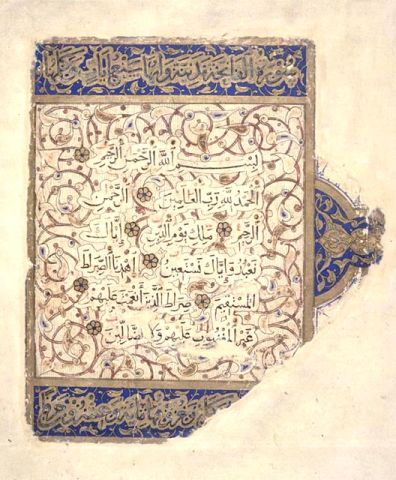
Image: 14th C. Qur'an, Mamluk origin, Library of Congress; Rights obtained.

A BREAKTHROUGH project which helps understand the Qur'an AS REVEALED -not just 'as explained.'

---------------------------------------------------------------------------

Monday, January 10, 2011

Day 301; Qur’an 94: 1-8 page 596

Welcome Friends:  Ahlan wa sahlan!

Yusuf Ali’s explanation of this Chapter.
Muhammad Asad’s explanation of this Chapter.
Laleh Bakhtiar’s explanation of this Chapter.


سورة الشرحi
'Expounding/ The Expanding/ Heartening’

From Introduction of Yusuf Ali:

“This short Surah gives a message of hope and encouragement in a time of darkness and difficulty. It was revealed to the Holy Prophet (peace be upon him) soon after the last Surah (Al Duha), whose argument it supplements.”


From Introduction of Muhammad Asad:

“THIS SURAH, revealed almost immediately after the preceding one, appears to be a direct continuation of the latter. Indeed, some renowned scholars of the first century after the hijrah - e.g., Ta'us ibn Kaysan, or the Caliph Umar ibn Abd al-Aziz regarded Ad-Duha and Ash-Sharh as one surah, and used to recite them in prayer accordingly, that is, without separating the one from the other by a second invocation "In the name of God" (Razi). Whether this view is accepted or not, there is no doubt that the present surah, like the preceding one, is addressed in the first instance to the Prophet and, through him, to every true follower of the Qur'an.”


COMMENTS:


At a time of duress, this Chapter brings relief.
At a time when the Prophet, peace upon him, felt penned in and overburdened, we find God relieving him, lifting both his spirits and his load.
Not only so, but after Qureish had maligned him, tarnished his good name and his remembrance, God Himself elevates it. Why?
That is God's M.O. in such cases. He won't let the world close in on us when we do not deserve that:
Indeed, the harder it gets, the closer we are to the dissolution of Hardship because of this Divine Rule: With Hardship there is Ease!


PAGE 596 Arabic Qur’an
  1. Similar to the previous chapter, this chapter also addresses Muhammad, peace upon him on a personal level, comforting him, and lifting his spirits.
    Beginning with rhetorical questions, it then reassures and advises.

    Here we learn that God heartens the Prophet by:

    -By 'expounding/ opening up' his chest/ head/ sadr.'

    Actually, the feeling of a 'constricted chest' is familiar to us in real life, either when we feel apprehension or dread of something we cannot control, or when we have a heart 'heavy' with grief. This 'constriction' appears in the Qur'an three times, and we remember in HQ 15:97-99 how pained the Prophet was by what his people had been saying, a pain which he was told would be relieved through action and motivation, prostration and worship.

    -By unloading his 'wizr/ burden off of him (setting it down)...  a burden which was bending his back.

    When we think about this: What could this 'burden' have been?
    Upon searching all the 'wizr' in Qur'an (and understanding HQ 17: 13-15), we realize that the burden he felt was probably related to feeling responsible for his people's faith- or lack of it. He was measuring his success as a Messenger by the rate of conversions, which was low, especially among the noblemen whose conversions would bear most impact. He was utterly disheartened. He must have felt responsible for their low numbers; we know that what they were saying made him feel heavy-hearted, which is why several verses were revealed to ease his mind (see HQ 42: 48).

    -By promoting his mention/ exalting his remembrance/ thikr.

    I did not find much about this, except that Prophet Jesus, peace upon him, had called him 'Ahmad' in HQ 61: 6 which, as we said earlier, meant Most Praised (superlative of 'MuHammad,' 'Oft-praised). This promotion of his 'mention' occurs every time there is a call to prayer, and every time someone testifies to their belief as the Prophet's name is an integral part of the 'athaan' and the 'shahadah/ testimony:' 'There is no god but God and Muhammad is His Messenger.'

  2. Then, after telling him/ us of how God had granted him relief... in the most eloquent words of reassurance to us all, we hear the statement, twice repeated:

    'Indeed, with THE Hardship there is Ease, with the Hardship there is Ease!'

    This is a FACT, as promised by God:
    'Yusr'/Ease, in all its unspecified shapes and forms (no definite article), always accompanies each particular 'Usr'/ hardship which we might be facing (hence the definite article).
    That is SO good to know.

  3. The final two verses advise/ command the listener/ Muhammad, telling him in the second person singular that, when he is free (of burden), to strain himself to remain steadfast (naSabii), and to His Lord to aspire/ yearn (raghabiii).

    It is quite endearing when God offers us something, while adding 'I am your Lord Sustainer.' This brings us closer to Him: We know we belong. We feel that He is responsible for us. We feel assured of His care.

    Let us see the term 'raghab' in context, where we can understand it better: HQ 21:90, 9:59 & 68:32.
    Note that, by aspiring and yearning for God, our Lord Sustainer, He grants us His 'faDl-فضل' His Bounty, and replaces whatever we may have lost in life!


Peace unto all!
i 
.شرح: يدلُّ على الفتح والبيان. من ذلك شرحت الكلام وغيرَهُ شَرْحاً، إِذا بيَّنتَه. واشتقاقهُ من تشريح اللحم.
The verb 'sharaHa' means to 'expand' and also to 'expound.'
ii 
نصب: أصلٌ صحيح يدلُّ على إقامةِ شيءٍ وإهدافٍ في استواء. يقال: نصَبتُ الرُّمحَ وغيرَه أنصِبهُ نصباً. وتيسٌ أنْصَبُ، وعنْزٌ نصباءُ، إذا انتصب قرناها وناقَةٌ نَصْباء: مرتفعة الصَّدر.
والنَّصْب: حجرٌ كانَ يُنصَب فيُعبَد، ويقال هو النُّصُب، وهو حجرٌ يُنصَب بين يدي الصَّنَم تصبُّ عليه دماءُ الذّبائح للأصنام. والنَّصائب: حجارةٌ تنصَبُ حوالَيْ شَفِير البئر فتجعلُ عضائد.
ومن الباب النَّصَبُ: العَناء، ومعناه أنَّ الإنسان لا يزال منتصباً حَتَّى يُعييَ.
وغبارٌ منتصب: مرتفع. والنَّصيب: الحوض يُنصَب من الحجارة. فأمَّا نِصاب الشَّيء فهو أصلُه؛ وسمِّي نِصاباً لأنَّ نصله إليه يُرفَع، وفيه يُنصَب ويركّب، كنصاب السِّكِّينِ وغيره.
والنَّصيب: الحظُّ من الشَّيء، يقال: هذا نَصِيبـي، أي حظِّي. وهو من هذا، كأنَّه الشيءُ الذي رُفِعَ لك وأهْدَف. والنَّصْب: جنسٌ من الغِناء، ولعلَّه مما يُنصَب، أي يعلَّى به الصَّوت. وبَلغَ المالُ النِّصاب الذي تجِب فيه الزَّكاة، كأنَّه بلغَ ذلك المبلغَ وارتفعَ إليه. ويقول أهلُ العربيّة في الفتح هو النَّصْب، كأنَّ الكلمة تنتصِب في الفم انتصاباً.


رغب:  الراء والغين والباء أصلان: أحدهما طلبٌ لشيء والآخر سَعَةٌ في شيء
  فالأوَّل الرَّغْبة في الشيء:الإرادةُ لـه. رغِبْتُ في الشيء. فإِذا لم تُرِدْه قلتَ  رغِبتُ عنه. ويقال من الرّغبة: رَغِب يرغَبُ رَغْباً ورُغبا ورَغْبَةً ورَغْبَى مثل شكوى.
  والآخر الشَّيْءُ الرَّغيب: الواسع الجَوف. يقال حوضٌ رغيب، وسقاءٌ رغيب. ويقال فرسٌ رغيب الشَّحْوة
. والرَّغِيبة: العَطاء الكثير، والجمع رغائب
  والرَّغاب: الأرضُ الواسعة. وقد رغُبَتْ رُغْباً.


Sunday, January 9, 2011

Day 300; Qur’an 93: 1-11 page 596


Welcome Friends:  Ahlan wa sahlan!

Yusuf Ali’s explanation of this Chapter.
Muhammad Asad’s explanation of this Chapter.
Laleh Bakhtiar’s explanation of this Chapter.


سورة الضحى
'The Forenoon’

From Introduction of Yusuf Ali:
“This Surah is close in date to Surah 89 and Surah 92, and the imagery drawn from the contrast of Night and Day is common to all three. In this Surah the vicissitude of human life are referred to, and a message of hope and consolation is given to man's soul from God's past mercies, and he is bidden to pursue the path of goodness and proclaim the bounties of God. This is the general meaning.
In particular, the Surah seems to have been revealed in a dark period in the outer life of the Holy Prophet (peace be upon him), when a man of less resolute will might have been discouraged. But the Prophet is told to hold the present of less account than the glorious Hereafter which awaited him like the glorious morning after a night of stillness and gloom. The Hereafter was, not only in the Future Life, but his later life on this earth, full of victory and satisfaction.”


From Introduction of Muhammad Asad:

“IT IS SAID that after surah 89 (Al-Fajr) was revealed, some time elapsed during which the Prophet did not receive any revelation, and that his opponents in Mecca taunted him on this score, saying, "Thy God has forsaken and scorned thee!" whereupon the present surah was revealed. Whether or not we accept this somewhat doubtful story, there is every reason to assume that the surah as such, although in the first instance addressed to the Prophet, has a far wider purport: it concerns - and is meant to console - every faithful man and woman suffering from the sorrows and bitter hardships which so often afflict the good and the innocent, and which sometimes cause even the righteous to question God's transcendental justice. “


COMMENTS:

Such heart-warming consolation offered to the Messenger!
Remember how our last chapter ended by mentioning the person who is 'atqaa/ most aware,' and promised, in two words 'walasawfa-yardhaa' that he shall be 'well-pleased'...?
Well, this Chapter mentions the vulnerable stages of Prophet Muhammad's life, peace upon him, and assures him of God's Bounty and asserts that he shall be well-pleased/ gratified.

PAGE 596 Arabic Qur’an
  1. This Chapter addresses Mohammad, peace upon him, on a personal level. It seems to have come after a period in which there were no revelations, and the Prophet seems to have been worried:
    Vowing by the Forenoon ('DhuHaa/ضحى i), and by the Night as it quiets down and closes in (sajaa ii), these verses comfort him by telling him that his has Lord neither left him, nor has he taken him lightlyقلى (iii), and that the Hereafter is 'kheyr/ better for him, more favorable in its benefits and bounties than the first (life).

    This comparison, with the 'Aakhira/ Hereafter' being shown as superior to this life, is very important, especially for those who see so much unfairness in this world.  But the Hereafter isn't 'more favorable' for everyone; it is more favorable for those who have been Aware in life.  Notice in the Qur'an, that whenever the Hereafter is mentioned as being more favorable/ kheyr, it is specifically so, for Those Who are Aware.  

    Q. Why is that information CRUCIAL for us, today?   

    A. Because it would change so much, including the outlook of militant 'Muslim' youth, if only everyone understood this! 
    As Regular Readers know:  Taqwa/ Awareness is the opposite of Udwaan/ Aggression (see Qur'an; put words in 'Search').

    The Hereafter is NOT 'more favorable' for everyone; it is only better for those who have been Aware in life.. ie:  Those who did not COMMIT ANY AGGRESSION! Now, doesn't that CONTRADICT what some young men are being taught by their 'Mullahs' about 'attacking infidels,' killing people, and even 'self-exploding' amid a crowd of civilians...  all of them lured by the temptation of a 'better' Hereafter?

    Please spread this knowledge, dear Reader!
    The Qur'an always commends Awareness and non-aggression.  In NO WAY shall aggressors find reward.  In fact, aggression renders one's deeds null and void, and aggressors are promised dire recompense.  
    Please spread this knowledge, dear Reader, if not for the sake of God or country... then for the sake of your own loved ones.  Militancy is gaining ground as we speak, and the only way we educators and laypersons can attempt to stop it is with knowledge.  Certainly, our governments are better equipped to do that, since they can implement the measures that will nip militancy in the bud by bringing justice to the populations who crave it.  So, if you are in a position to educate your government, please do so.

    Note:  Scholars have pored over the word 'Dhaal-ضال-'  lost/ astray, and some have argued that the Prophet may have felt lost, but he could never have been astray.  I think this is unimportant, because HE WASN'T A PROPHET until he received Prophethood at the age of 40, and he certainly did not have knowledge and proper guidance until the Qur'an arrived with both.  See HQ 42:52, which tells him that, prior to his receiving exclusive information (waHi), he could not determine what the Compilation was, nor what Faith was!

    In such verses we hear the 'voice' of God, loud and clear, speaking to His Messenger, with the latter relaying God's words dutifully.  There should be no doubt in the cognizant reader's mind that Muhammad is but a recipient of such words, and not their source.

    Back to our verses:
    After telling Muhammad that the Hereafter is more favorable for him than this life, Verse 5 assures him that his Lord shall give/ grant him, and that he SHALL be pleased/ gratified (by what he is granted).

  2. As if in reassurance, Verses 6-8 refer to past experience, reminding him of his Lord's nurturance of him in his hour of need.
    In the form of three questions, he is asked about having been an orphan, after which He (God) sheltered him... and his having been lost, after which He guided him... and his having been needy, after which He made him self-sufficient.

    3. Then the bounties he received are sent forward to others, as Verses 9-11 command the listener/ Muhammad to never wrong the orphan... to never berate the seeker (of guidance)... and to promptly relay God's Grace/ ni'mah, which we understand here to be 'Islam' itself, as a Standard of Accountability for all.

    Islam is the 'ni'mah' of God, which took a while being completed. When it was completed, God announced His acceptance of it as a Standard for the Faithful, as we see in these verses.

Peace unto all!

__________

iضحي: يدلُّ على بُروز الشيء. فالضَّحَاء: امتداد النَّهار، وذلك هو الوقت البارز المنكشف. ثمَّ يقال للطعام الذي يُؤكل في ذلك الوقت ضَحاء.
ويقال ضحِي الرَّجلُ يَضْحَى، إذا تعرَّضَ للشَّمْس، وضَحَى مثلُهُ. ويقال اضْحَ يا زيد، أي ابرُزْ للشَّمْس. والضَّحِيَّة معروفة، وهي الأُضْحِيَّة.
قال الأصمعي: فيها أربع لغات: أُضْحِيَّة وإضْحيَّة، والجمع أضَاحِيّ؛ وضَحِيَّة، والجمع ضحايا؛ وأَضْحاةٌ، وجمعها أُضْحىً. :
وإِنما سُمِّيت بذلك لأنَّ الذّبيحة في ذلك اليوم لا تكون إلاَّ في وقت إشراق الشَّمس. ويقال ليلَةٌ إِضحيَانةٌ وضَحْيَاءُ، أي مضيئةٌ لا غيمَ فيها. ويقال: هم يتضحَّوْنَ، أي يتغدَّوْن. والغَداء: الضَّحاء. ومن ذلك حديث سلمة بن الأكوع: "بينا نحن مع رسول الله صلى الله عليه وآله وسلّم  نتضَحَّى"، يريد نتغدَّى. وضاحية كلِّ بلدةٍ: ناحيتُها البارزة. يقال هم ينزلون الضَّوَاحيَ. ويقال: فعل ذلك ضاحيةً، إِذا فعله ظاهراً بيّناً.
قال أبو زيد: ضَحَا الطريق يَضْحُو ضَحْواً وضُحُوّاً إِذا بدا وظَهَر. فقد دَلَّت هذه الفروعُ كلُّها على صحة ما أصّلناه في بروزِ الشَّيء ووُضوح

ii 
سجو: أصلٌ يدلُّ على سكونٍ وإطباق. يقال سَجَا اللّيلُ، إذا ادلهمَّ وسكَن
وطرف ساجٍ، أي ساكن.


iii 
ودع: أصلٌ واحد يدلُّ على التَّرْك والتَّخْلِية. وَدَعَه: تركه، ومنه دَعْ
ومنه وَدَّعْتُه توديعاً. ومنه الدَّعَة: الخَفْض، كأنّه أمرٌ يترك معه ما يُنْصِب. ورجلٌ مُتَّدِعٌ: صاحب راحة، وقد نالَ الشَّيءَ وادِعاً مِن غير تكلُّف. والوَديع: الرّجُل الساكن. والمُوادَعَة: المصالَحة والمتاركة. [و] وَدَّعْتُ الثَّوبَ في صُِوانِهِ، والثَّوب مِيدَعٌ.

قلو:  أصلٌ صحيحٌ يدلُّ على خِفّةٍ وسرعة. من ذلك القِلْو: الحِمار الخفيف. [و] يقال: قَلَت النَّاقةُ براكبها قَلْواً، إذا تقدَّمَت به. واقلوْلَت الحُمْر في سرعتها. والمُقلَوْلي: المتجافي عن فِراشه. وكلُّ نابٍ عن شيء متجافٍ عنه: مُقْلَوْلٍ
والمُنْكمش مُقْلَوْلٍ، وفي الحديث: "لو رأيتَ ابنَ عُمَرَ لرأيتَه مُقلولياً"، أي متجافِياً عن الأرض، كأنّه يريد كَثْرةَ الصَّلاة. ومن الباب قَلاَ العَيْرُ آتُنَه قَلْواً. ومن الباب القِلَى، وهو البُغض. يقال منه: قَلَيْتُه أقلِيه قِلىً. وقد قالوا: قَلَيتُهُ أَقلاه. والقِلَى تجافٍ عن الشّيء وذَهابٌ عنه والقَلْي: قَلْيُ الشَيء علَى المِقْلَى. يقال: قَلَيْت وقَلْوت. [و] القَلاَّء: الذي يَقْلي. وهو القياس، لأن الحَبَّة تُستَخَفُّ بالقلْي وتَخِفُّ أيضاً.


Let's TWEET this!

Tweet me!